Historical Context
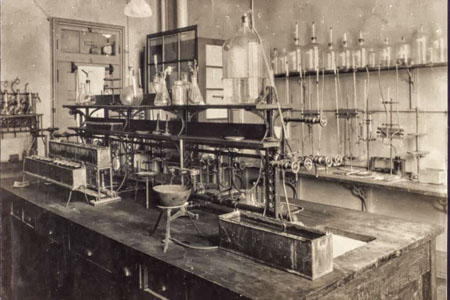
In 1921, Dr. Fredric Banting and Charles Best made a groundbreaking discovery: insulin could be extracted from the pancreas using alcohol. By using pancreatic tissue and a solution consisting of 90% ethyl alcohol, they were able to separate and stabilize the insulin from unwanted impurities. This key advance is what paved the way for insulin as a treatment for diabetes.
The process was later improved by first breaking down the pancreas using slightly acidified acetone before using alcohol to isolate the insulin.
Fun fact: The ethyl alcohol used in this extraction is the same type found in alcoholic beverages, just in a much purer form! Similarly, acetone is commonly found in items like nail polish remover or paint thinner.
Design Breakdown
For the first interactive component of our project, users pour reagents in and out of flasks to achieve a mixture of specific goal proportions.
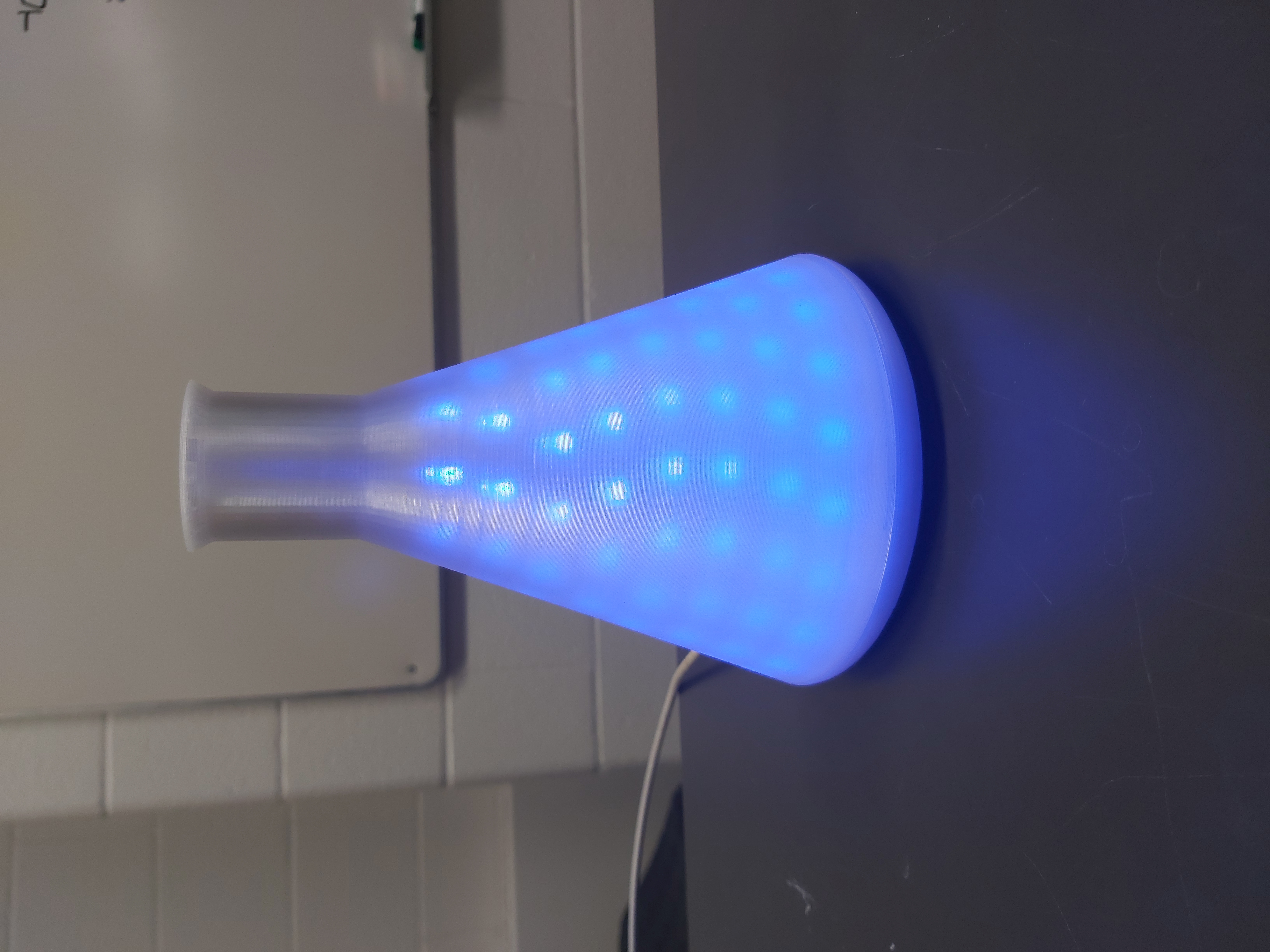
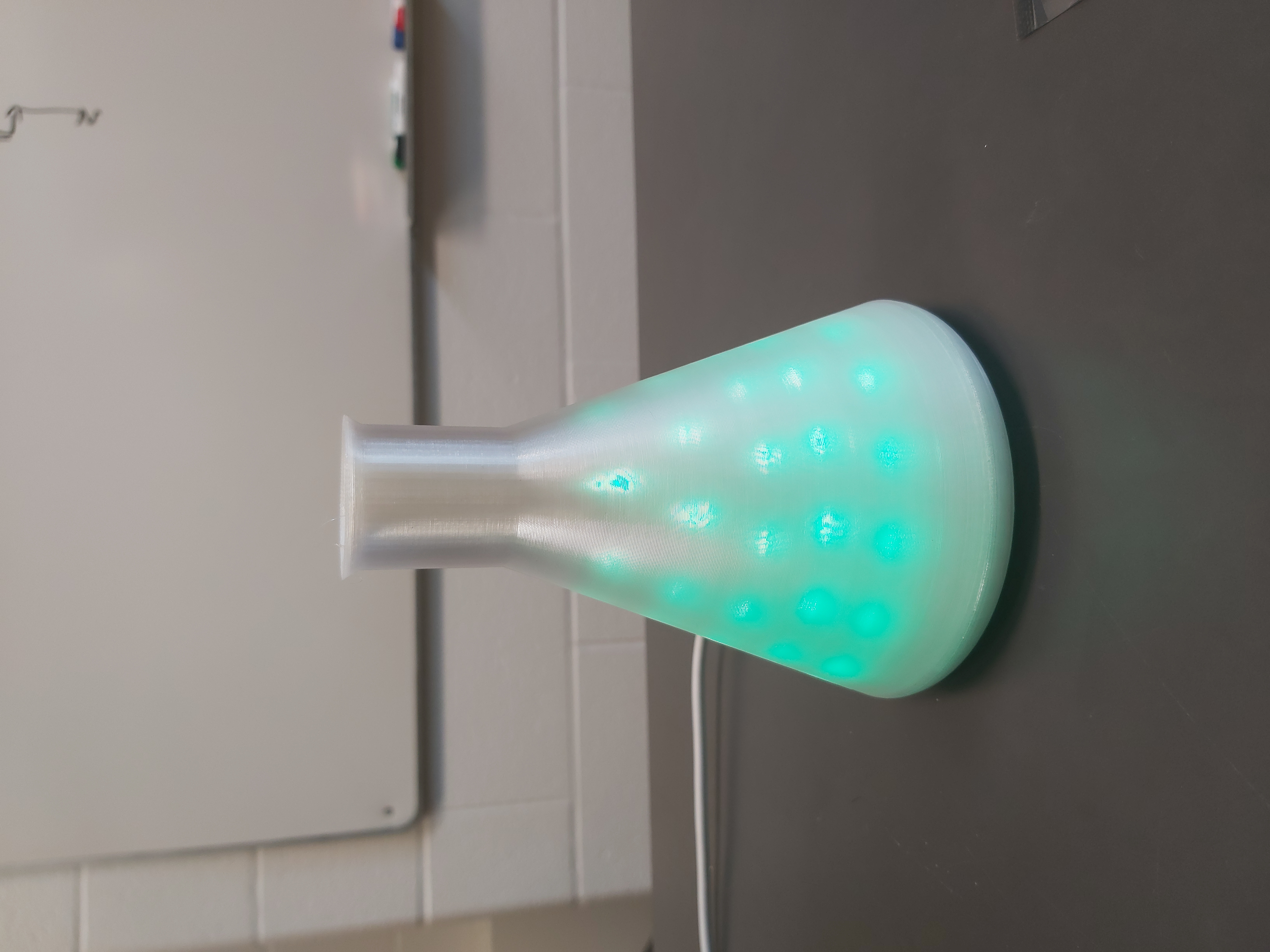
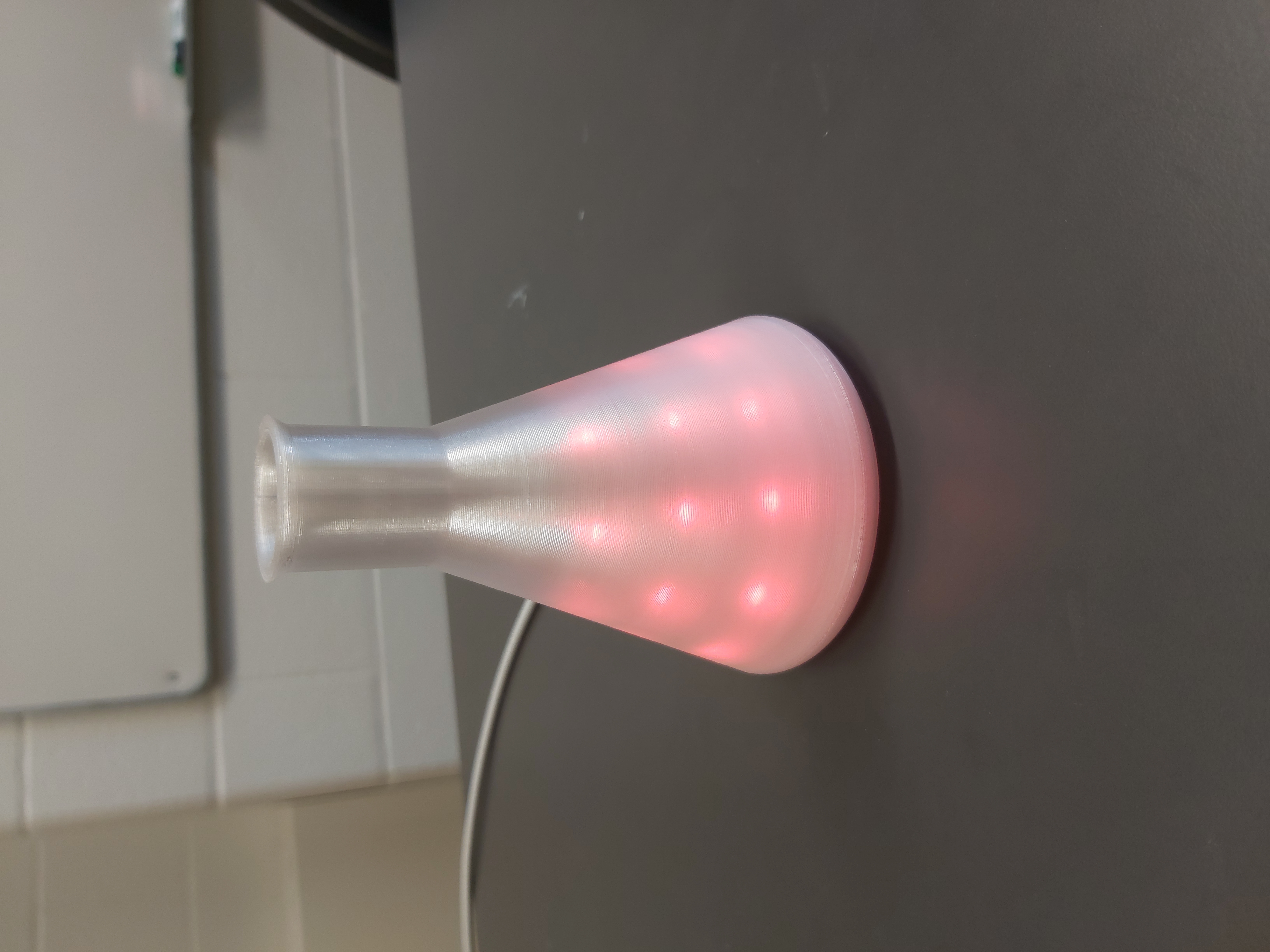
Above are the 3 flasks participants will use. The goal for this activity is for participants to move simulated reagents from flask to flask in order to achieve 4 litres of solution in the largest flask.
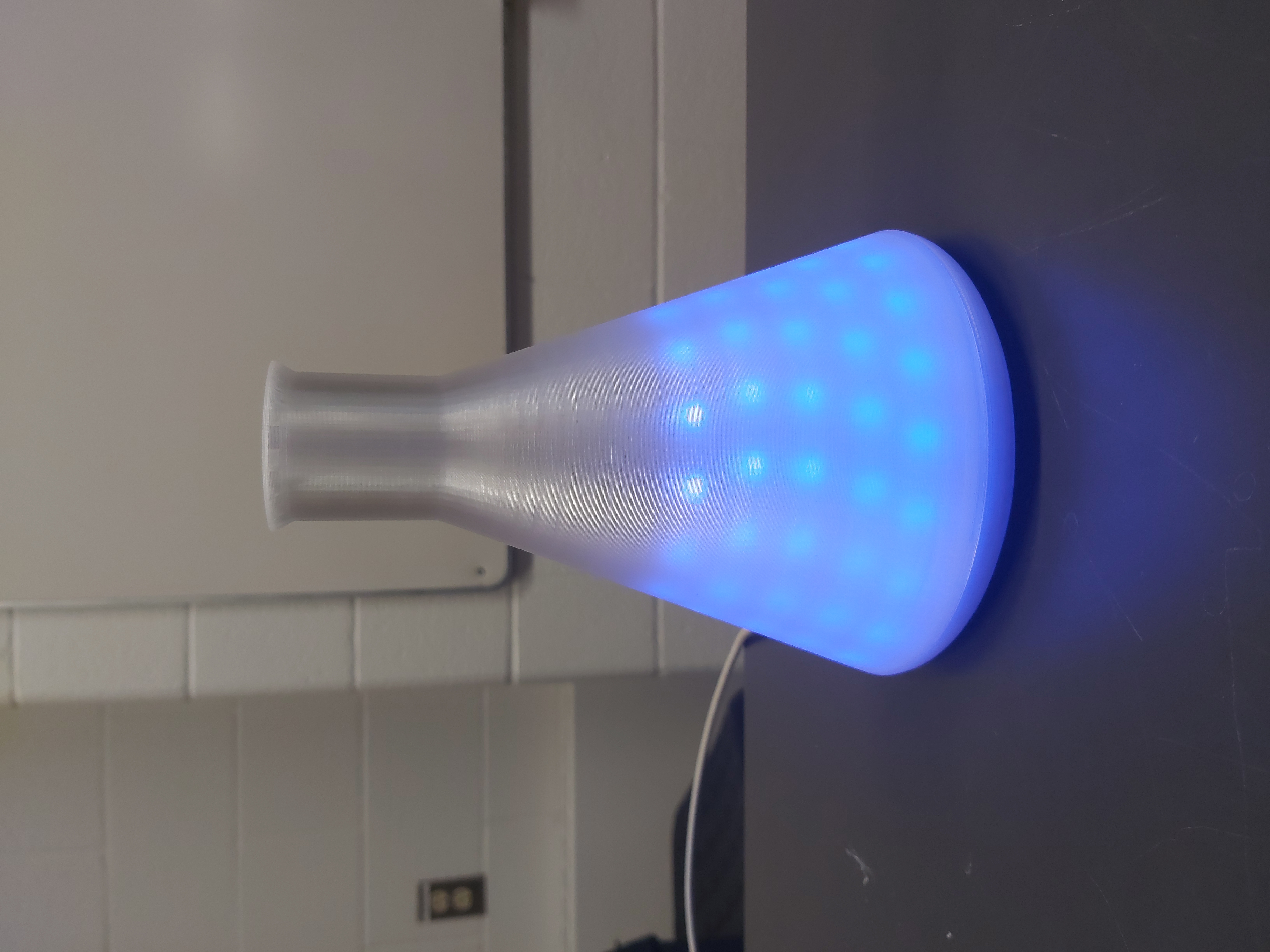
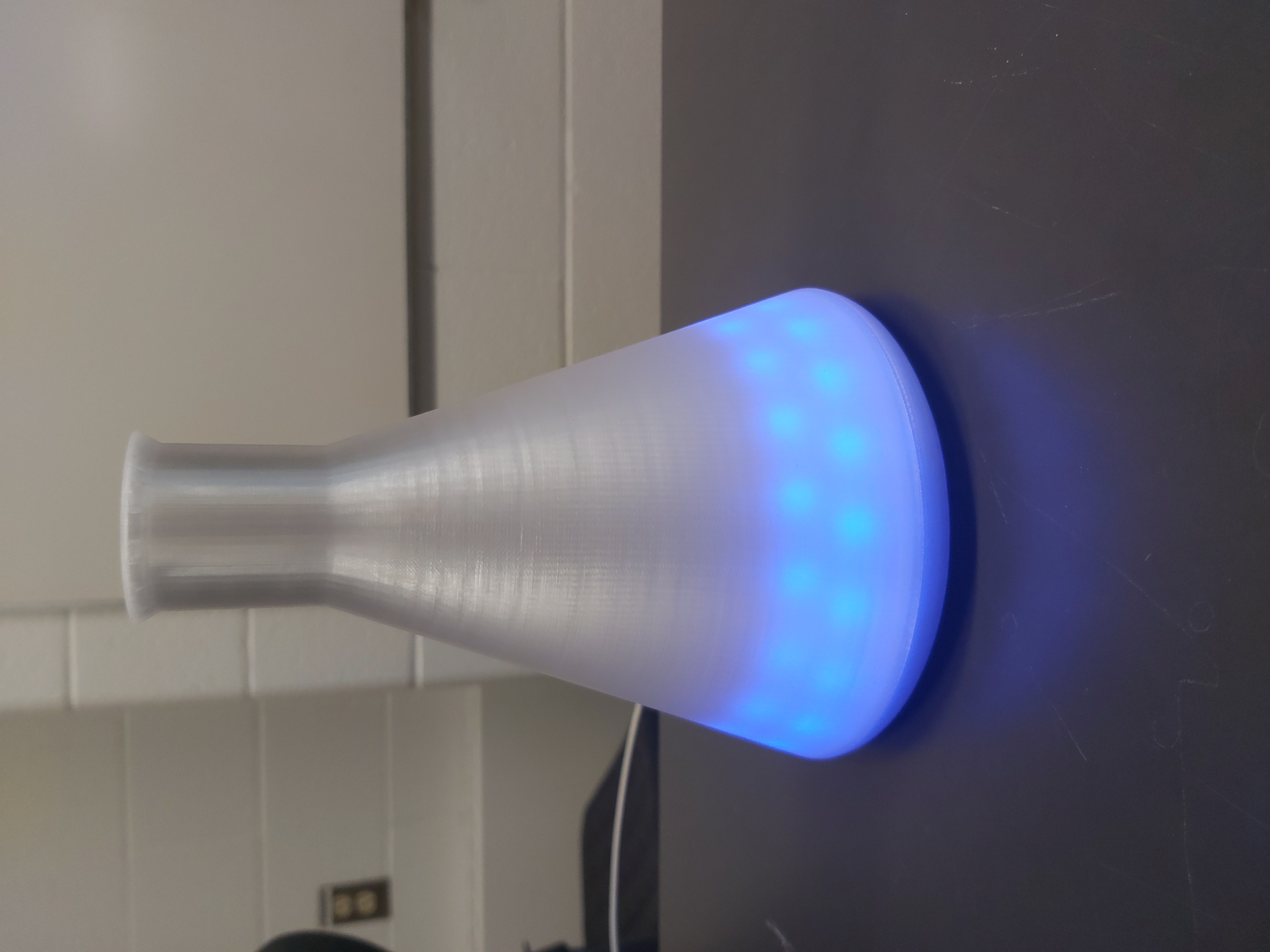
Amounts of fluid are displayed using rows of LED strips, indicating how much fluid is currently in each container.
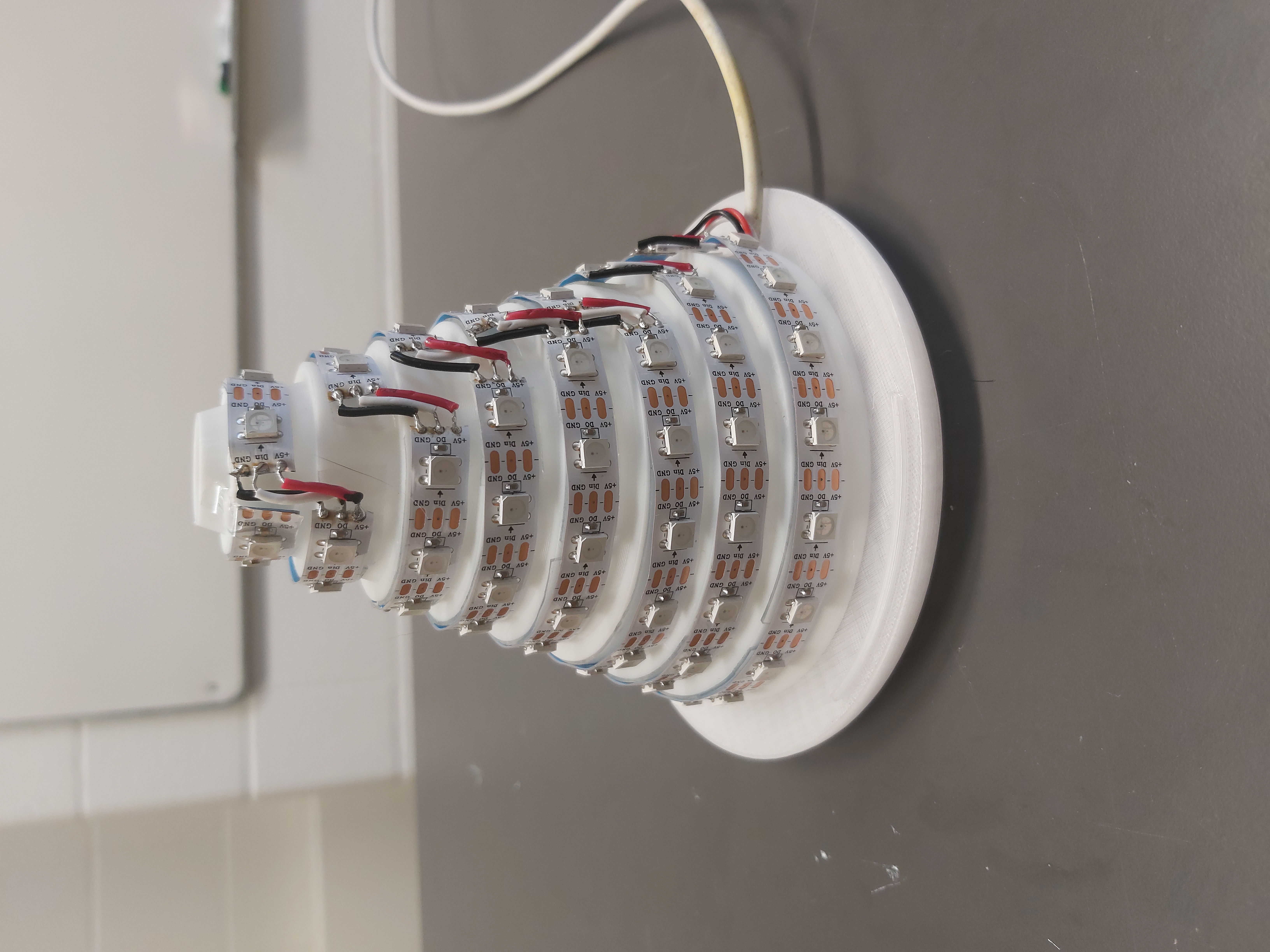
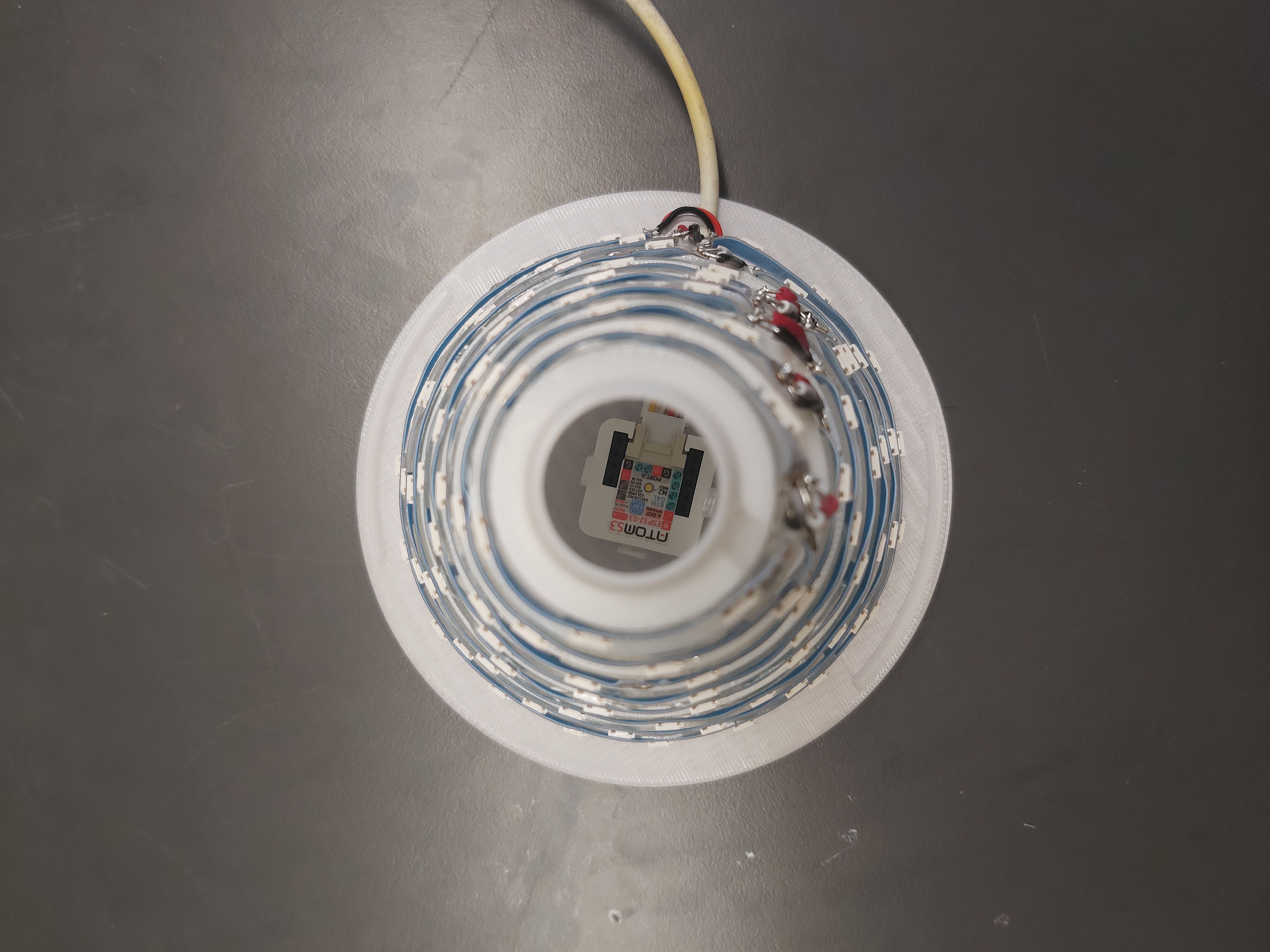
An ATOM S3 is contained within each flask, providing logic as well as detecting motion of the flasks. When two flasks bump, the ATOM S3’s detect this vibration and allow us to determine which flask is being poured into which.
The above video demonstrates how the flasks interact with each other and shows the simulated transfer of fluid between them.